
How many restrooms does a county fair need?
Start with attendance, not guesswork. A fair pulling a few thousand people over a weekend needs restroom counts sized to peak hours, not the daily average, because everyone shows up between noon and 4pm and lines build fast. Paramount Porta Pros works from your projected gate count and stage schedule to set the number, then adds standard units for general crowd flow and at least one ADA accessible porta potty cluster near food and stage areas. ADA Standards section 213.2 requires that at least 5 percent of clustered single-user units be accessible, with a minimum of one no matter how small the cluster. Setup crews and vendors count separately from attendees under OSHA 1926.51(c), which sets 1 toilet per 20 workers for smaller crews, so a fair with 15 vendor staff and a 40-person load-in team needs its own bank of units away from the public gates. We also route in handwashing station rental units near every food booth row, since fairs mean funnel cakes, corn dogs and a dozen other hands-on food stands. If your fair layout has a beer garden or wine pour, add a couple of extra standard porta potty rental units near that fenced area, because that line moves slow and backs up fast. Use our how many porta potties do i need guide to run your own numbers before you call.
What restroom options work best for a fair in Paramount?
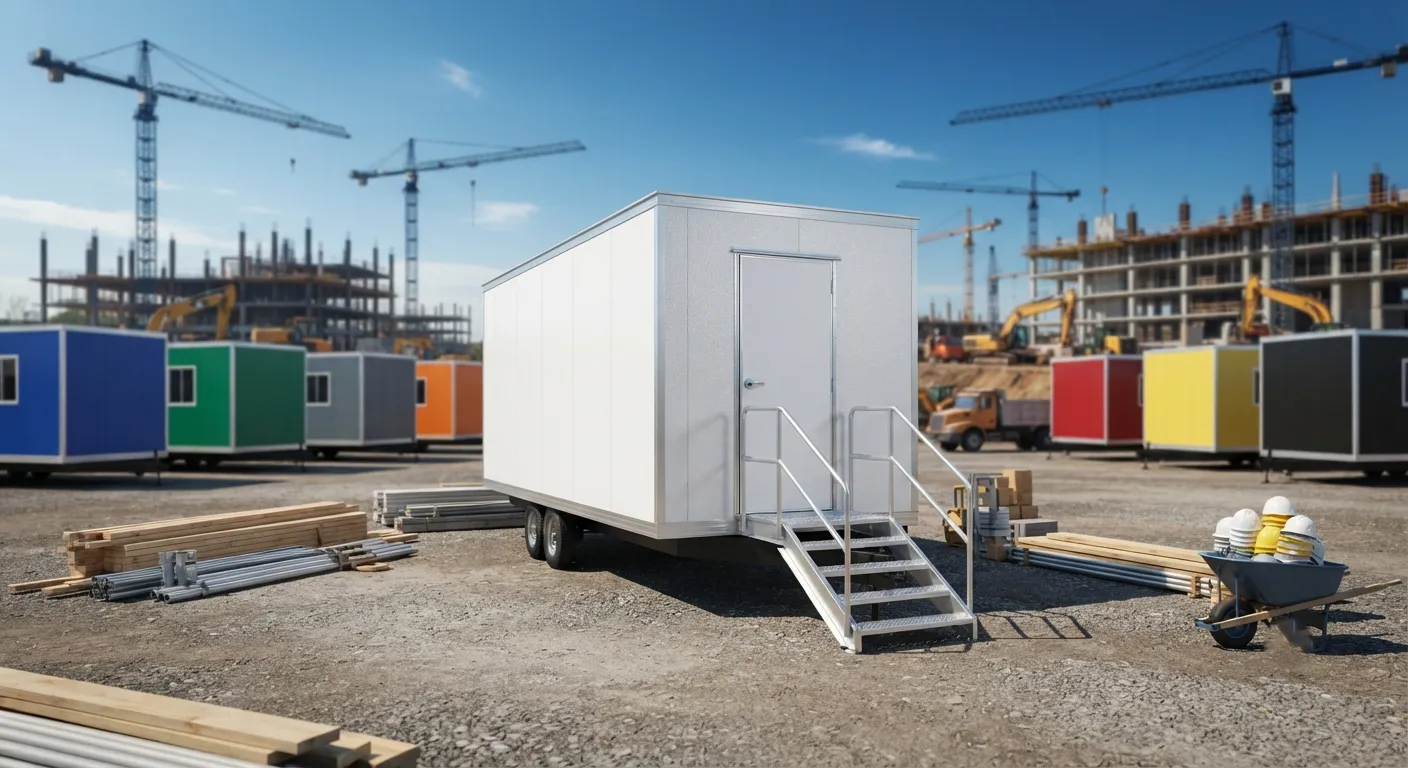
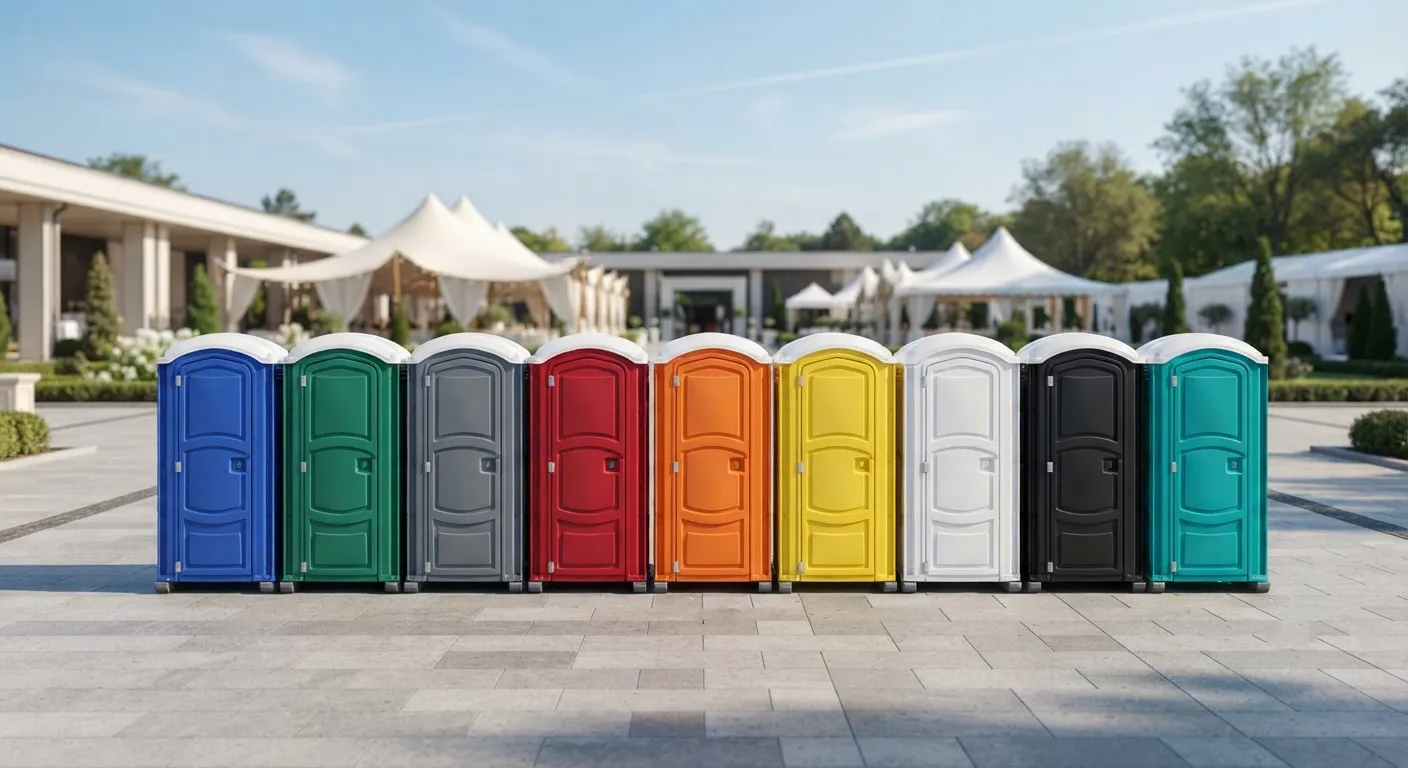
Mix your unit types instead of lining up one style across the whole midway. Standard units handle the bulk of general foot traffic and cost less per unit, which matters when you need fifteen or twenty of them spread across a fairground. For VIP areas, sponsor tents or a beer garden with paid entry, a deluxe flushable porta potty gives guests a flush handle and a nicer interior, and it is worth the upgrade where people are already paying for premium access. If your fair has a headliner concert stage or a hospitality tent for sponsors, a full restroom trailer rental with running water raises the whole experience, and an 8 stall restroom trailer can absorb heavy peak traffic near a main stage without a line snaking past the food vendors. Every cluster of portable units needs a stable, level pad; ADA Standards section 302.1 requires the ground surface under an accessible unit to be firm and slip resistant, which rules out loose gravel or soft turf for that specific stall. Standard units run about 44 by 48 inches on the ground and stand roughly 92 inches tall, so plan your footprint before trucks arrive. Pair restrooms with temporary fence rental to keep queue lines orderly and to block off service access behind the units, and add crowd control barrier rental along your main walkways if the fair expects a dense crowd. For grease-heavy food vendor rows, ask about grease trap pumping if any booth runs a fryer setup tied to plumbing.
When should restrooms be delivered and serviced during the fair?
Book delivery a day ahead of gates opening so crews have clear room to stage units without fighting fairground traffic. A roll-off delivery, similar to restroom trailer delivery, needs about 60 feet of straight clearance behind the truck, so tell us your load-in gate and lane width before drop day. For a weekend fair, service crews should hit every unit at least once mid-run if attendance runs high, since the ANSI/PSAI Z4.3 baseline of one service visit per week assumes far lighter use than a packed fairground sees in two days. Paramount sits close enough to draw crowds from Bell Gardens, 6.5 miles north, and Cerritos, 8.1 miles east, so plan for outside visitors pushing your numbers past a local-only estimate. We also stage a few emergency porta potty rental units on standby in case a line unexpectedly triples near the stage. If your event runs past dark, pair restroom areas with a light tower rental so guests can find units safely once the sun drops. Once the fair wraps, our crew handles teardown and pumping the same day, and any leftover event debris usually pairs well with a roll-off dumpster rental already on site rather than a second haul-away trip.
How far ahead should I book restrooms for a fair?
Book 4 to 6 weeks out for a multi-day fair, longer if it overlaps a holiday weekend. Trailers and ADA units book first because supply is limited. Standard units are easier to add close to the date, but a full restroom trailer for a fair-scale event should be locked in early.
What does a restroom trailer cost for a weekend fair?
A weekend trailer rental typically runs $900 to $3,000 depending on stall count and features. Check restroom trailer rental cost for a fuller breakdown by size, since an 8 stall unit costs more than a 2 stall.
Do fair restrooms need to be ADA accessible?
Yes. ADA Standards section 213.2 requires at least 5 percent of a clustered group of single-user units to be accessible, with a minimum of one unit regardless of cluster size. We also keep a 60 inch turning circle clear inside each accessible stall per ADA Standards section 304.3.1.
How often are units cleaned during a busy fair weekend?
Standard service is once weekly under the ANSI/PSAI Z4.3 baseline, but high-traffic fairs need mid-run servicing. See how often are porta potties cleaned for how we adjust that schedule around peak attendance days.
Can I add handwashing stations near food vendor booths?
Yes, and it is worth doing. Food booths generate greasy hands and spills all day, and a station placed at the end of each vendor row keeps lines moving. See portable sink rental for options with soap and towel dispensers, which satisfy 29 CFR 1910.141(d)(2) since sanitizer alone does not.
Next step
Get a delivery date
Tell us the address, the dates and the headcount. We size the order and confirm the route.